Not every tired kitchen needs to be gutted. If the layout works and the cabinets are solid, a well-planned refresh can make it feel new with far less time, mess and disruption.
Start with what is actually wrong
Before choosing upgrades, list what bothers you day to day. Poor lighting over the counters? Worn countertops? Dated cabinet color? A refresh works best when it targets the real problems instead of changing everything.
The upgrades with the biggest impact
Countertops and backsplash
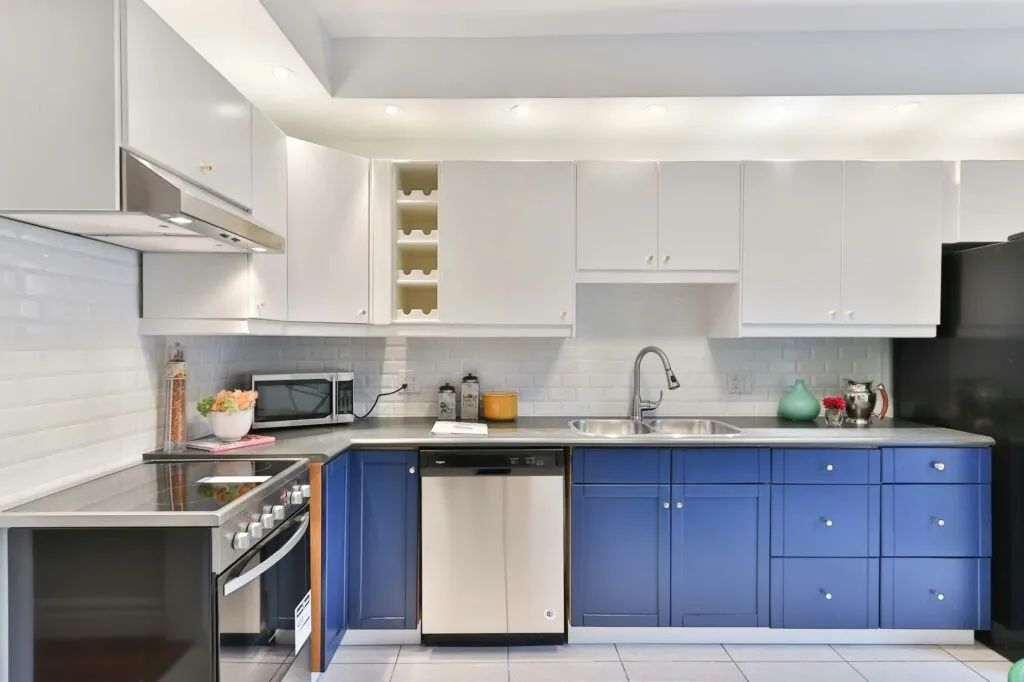
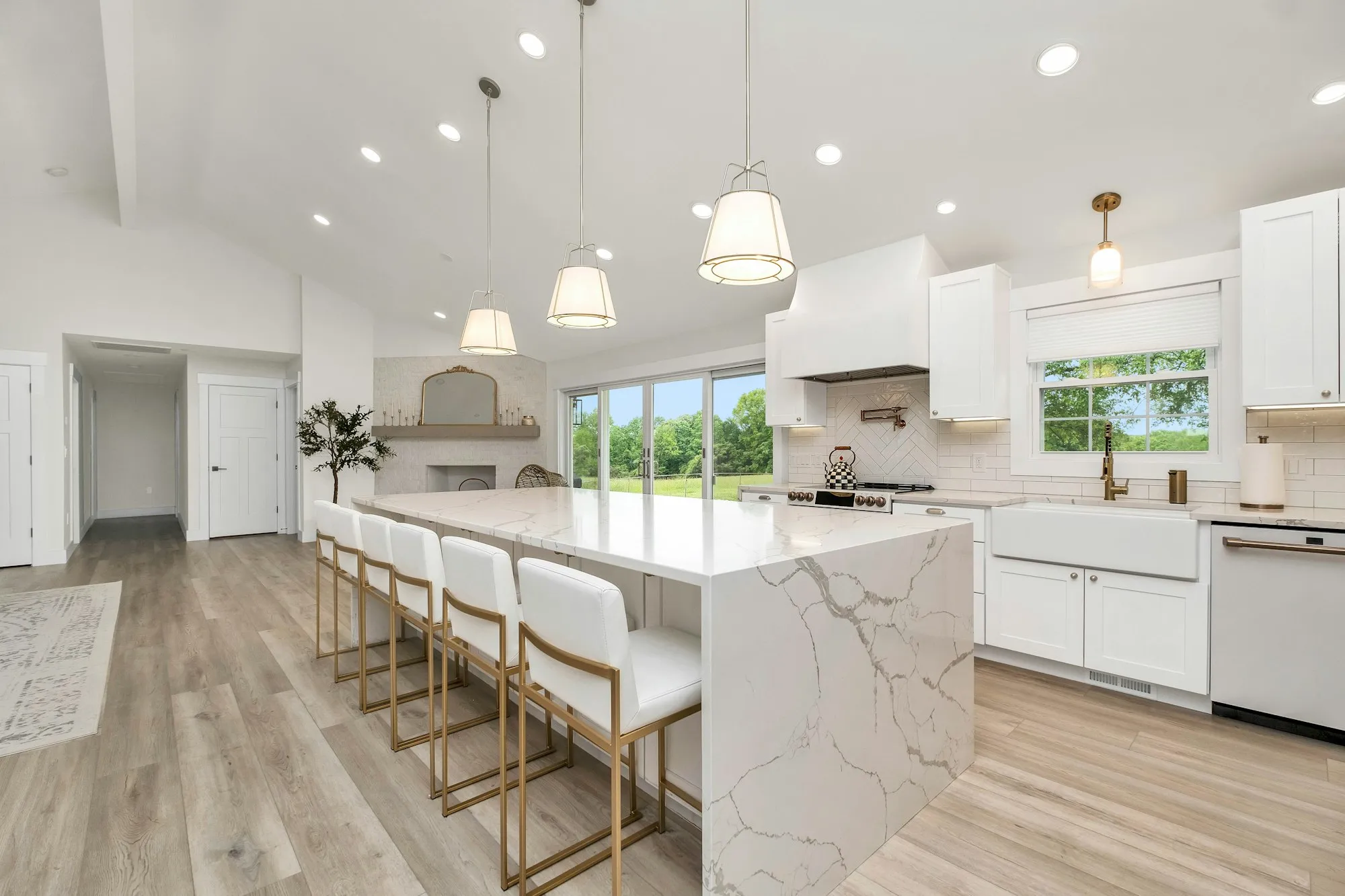
New quartz or stone counters with an undermount sink and a fresh tiled backsplash change the whole room, and they can usually be installed on your existing cabinets.
Cabinet refinishing or new doors
Refinishing solid cabinets, or replacing only the doors and drawer fronts, updates the largest surface in the kitchen without the cost and downtime of new cabinetry.
Lighting
Layered lighting, meaning ceiling lights, pendants and under-cabinet lights, makes a kitchen more pleasant and much easier to work in.
Faucet, sink and hardware
Small items that you touch every day. A new faucet and consistent hardware finish tie the whole refresh together.
What to keep the same
- The layout: moving the sink, range or walls is what turns a refresh into a remodel.
- Solid cabinet boxes: they can usually be refinished.
- Appliance locations: replacing like-for-like avoids new plumbing and electrical runs.
The simplest rule: if nothing needs to move, it is probably a refresh.
When a full remodel makes more sense
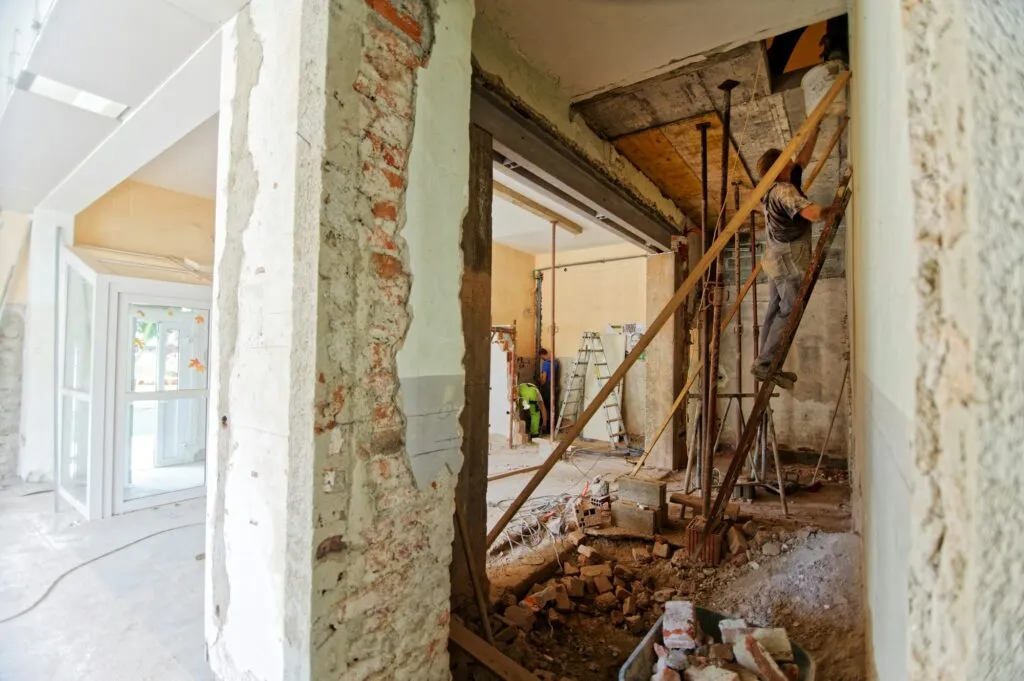
If you are fighting the layout every day, cabinets are damaged, or you want to open up walls, a full remodel is usually the better long-term investment.
Planning your refresh
- Write down what you want to fix.
- Choose your counters, backsplash and cabinet finish together, so they work as one palette.
- Ask for a written scope and schedule, so you know which days the kitchen is unavailable.