Cabinets are one of the biggest line items in a kitchen, so it is worth asking a simple question before tearing them out: are they actually worn out, or do they just look dated?
When refinishing makes sense
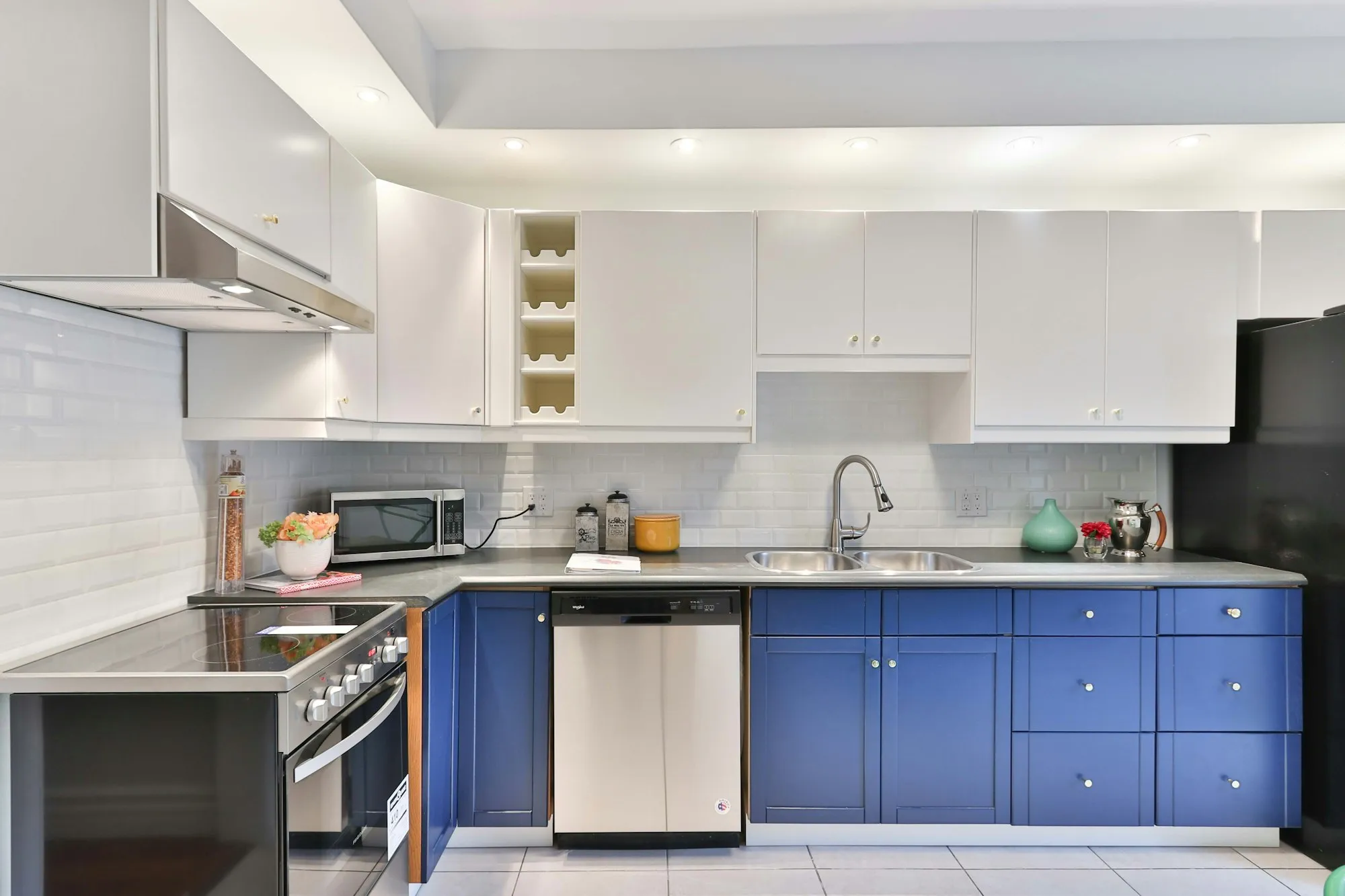
Refinishing keeps your existing cabinet boxes and changes the finish. It is usually the right call when:
- The boxes are solid wood or quality plywood, with no swelling or water damage.
- You are happy with the layout and storage.
- Doors open and close properly, or only need new hinges.
- You want a new color or a refreshed wood tone without weeks of disruption.
Older cabinets are often built from better materials than many modern replacements, and a careful refinish can make them look new.
When replacement is the better investment
- Cabinet bases are swollen or soft from leaks.
- The layout does not work and you are changing the kitchen anyway.
- Doors are peeling thermofoil that cannot hold a new finish.
- You are moving plumbing, appliances or walls.
The middle ground: new doors, same boxes
If the boxes are solid but the door style is the problem, replacing only the doors and drawer fronts, then refinishing the frames to match, can give you a completely different look while keeping the structure you already have.
What a durable refinish involves
A finish only lasts as long as the preparation underneath it. A proper cabinet refinish includes:
- Degreasing so primer bonds to the wood, not to kitchen grease.
- Sanding and repairs for dents, scratches and worn edges.
- A bonding primer matched to the surface.
- A cabinet-grade finish, sprayed for a smooth result and left to cure properly.
Chipping and peeling almost always come from skipped prep, not from the paint itself.
How to decide
Open every door and drawer, check the cabinet bottoms under the sink and ask whether the layout still works for you. If the structure is sound, refinishing is usually worth a serious look. A walkthrough will tell you quickly whether your cabinets are worth saving.